I) Understanding the Lead Market Drivers
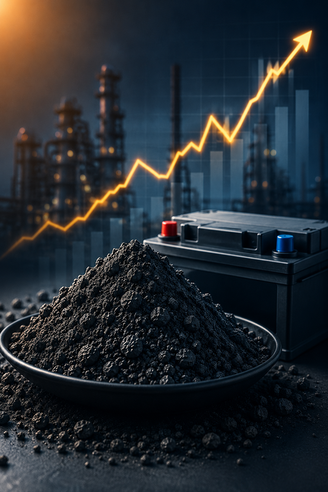
A) Energy Costs: Since the Barton Pot and Ball Mill processes are electricity-intensive, a spike in industrial energy prices will drive up the lead oxide premium even if the LME lead price remains flat.
B) Refined Lead Metal Prices: Lead metal accounts for 90–95% of lead oxide cost. Any movement in LME/spot lead prices directly impacts lead oxide prices, usually with a 2–6 week lag.Volatility in mining output, smelting capacity, and inventories strongly affects prices.
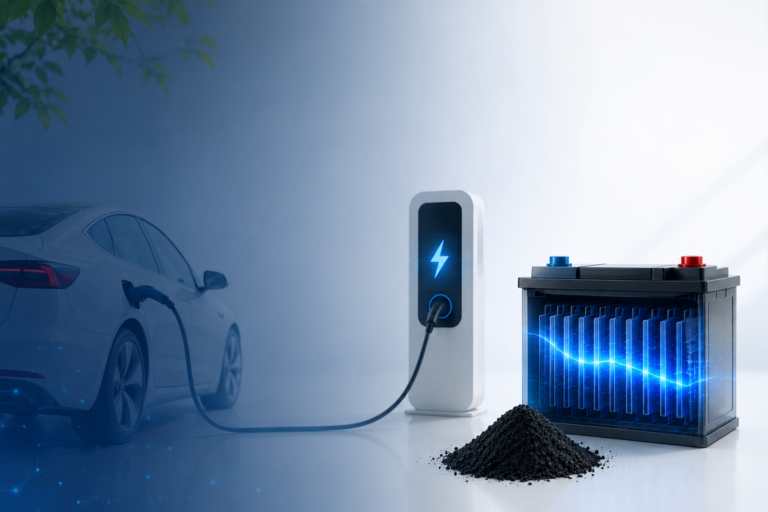
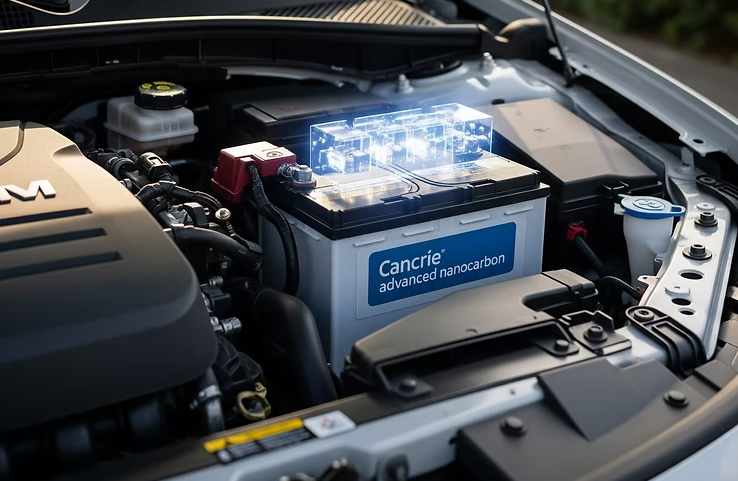
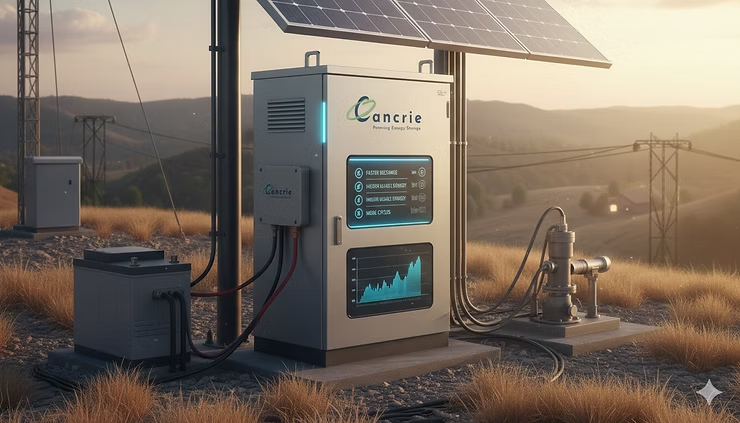
C) Additives & Carbon Technology: The Cancrie AdvantageIn 2025, manufacturers are increasingly adding carbon and silicon to lead oxide pastes to compete with Lithium-ion. While standard “doped” oxides often carry a high price tag, this is where Cancrie provides a strategic breakthrough for energy storage manufacturers. The future of lead-acid in energy storage isn’t just about better hedging on the LME; it’s about material efficiency. Solutions like Cancrie allow manufacturers to de-risk their supply chain by needing less raw lead while simultaneously delivering a superior battery performance.Direct Financial Hedge: Reducing Lead Oxide IntensityThe most immediate benefit of Cancrie’s technology is the ability to reduce the total amount of Lead Oxide required in each battery.The Result: This acts as a “physical hedge” against LME price hikes. When lead prices soar, a battery that requires 5-8% less lead oxide inherently carries a lower risk profile and a more stable price point for the end consumer.Beyond Cost: A Quantum Leap in PerformanceWhile reducing lead content protects your margins, the application of Cancrie nano-carbons delivers a major jump in the battery’s core performance parameters:I) Higher Charge Acceptance: Cancrie’s nano-carbons facilitate faster electrochemical reaction kinetics, allowing the battery to absorb energy much more efficiently (up to 25% better in solar/inverter applications).
II) Extended Life Cycle: By preventing “permanent sulfation”—the leading cause of lead-acid failure—Cancrie can increase the battery’s cycle life by 20% to 50%, significantly lowering the total cost of ownership (TCO).
III) Facilitating Fast Charging: The interconnected porous structure of the nano-carbon lowers internal resistance, supporting higher current rates (up to 0.2C) for rapid recharge cycles.
IV) Reduced Thermal Runaway: Improved electrical and thermal conductivity helps dissipate heat more evenly across the electrode, preventing the localized “hot spots” that lead to thermal runaway and battery swelling.
V) Increased Electrode Strength: The nano-carbons act as a structural “skeleton” within the paste, increasing active material cohesion strength by up to 4X. This prevents plate shedding and degradation, especially in high-vibration or deep-cycle environments.